
HVAC Estimate Template vs Estimating App: When the Spreadsheet Stops Paying
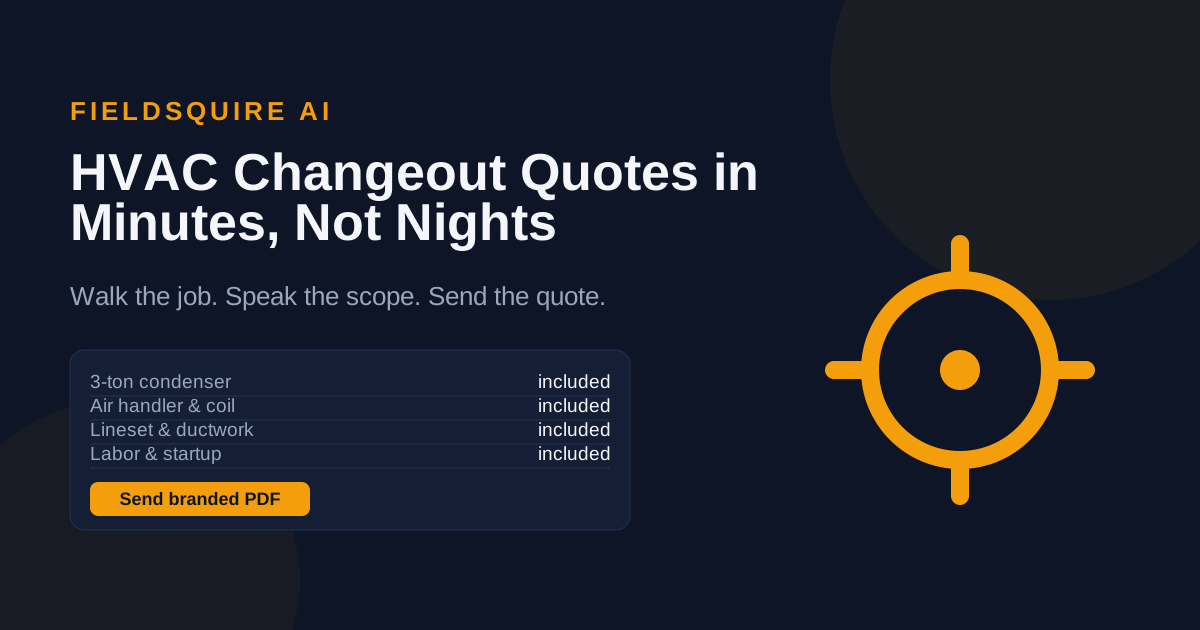
Somewhere on your laptop is a spreadsheet you built years ago — tabs for changeouts, coil swaps, maybe a ductwork calculator. It has served you. The hvac estimate template vs estimating app question isn't about whether that spreadsheet works; it's about what it quietly costs you now that you're running more calls than you were when you built it.
What a good template genuinely gets right
Credit where due. A well-built template enforces structure: equipment, materials, labor, permit, margin, every time. It's free, it's yours, and it never has a subscription outage. If you quote four jobs a month from your desk, a template plus a PDF printer is a defensible setup, and nobody should talk you out of it. The template's real asset isn't the spreadsheet — it's the pricing knowledge baked into it: your labor rates, your markups on a condenser versus a thermostat, your rule of thumb for lineset replacements.
Where templates start losing you money
Three failure modes show up as volume grows. First, templates live at a desk, and HVAC scope lives in attics and crawlspaces. Nobody fills in a spreadsheet in a 130-degree attic, so the estimate happens hours later from memory — and memory drops line items like plenum transitions and float switches. Second, templates don't chase anyone. The quote goes out as an attachment and vanishes; there's no e-signature, no deposit link, no reminder that the Hendersons never replied. Third, every quote is manual labor. Retyping the same eight lines — condenser, coil, lineset, pad, electrical, permit, labor, startup and commissioning — for every 3-ton changeout is unpaid clerical work billed at contractor rates.
Tally what those cost per month — lost line items, unfollowed quotes, evenings spent formatting — and the comparison stops being about a subscription fee.
What the app side of the comparison looks like
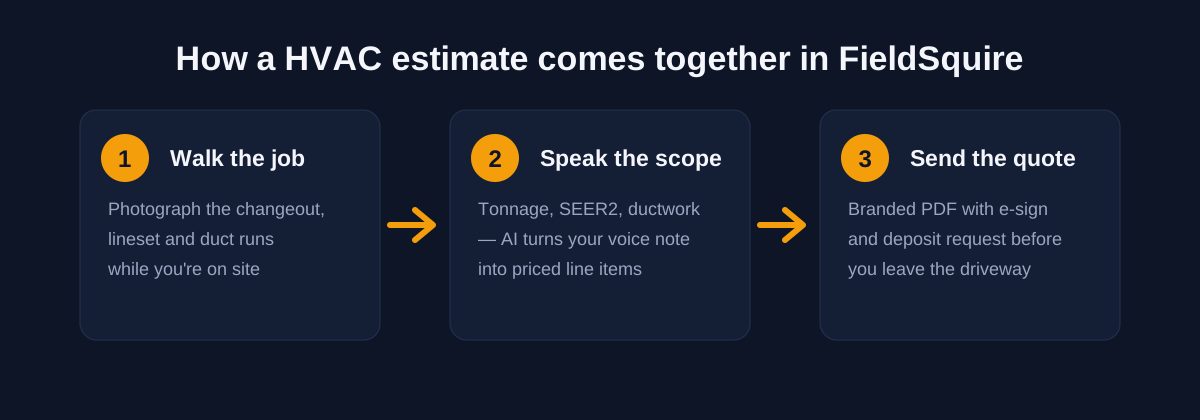
An estimating app collapses the survey and the paperwork into one step. With FieldSquire, you photograph the equipment and talk through the scope on site; the AI drafts editable line items priced from your own list, with hidden margins per line. The proposal goes out as a branded PDF the homeowner can e-sign, with a deposit request attached, and the app tracks the lead and nudges you to follow up. The spoken-scope part alone changes field behavior — we wrote up that piece separately in voice-to-estimate apps for HVAC contractors.
In the template vs app framing: the template is a container you fill; the HVAC estimating app is a worker you supervise.
A fair migration path (keep your numbers)
Switching doesn't mean abandoning the spreadsheet's brains. Move your price list into the app first — equipment costs, labor rates, standard markups. Quote your next few real jobs in both systems during a free trial and compare honestly: time to build each quote, line items missed, and what actually happened after sending. FieldSquire's trial runs 14 days on any plan, from the $19/mo Starter up to Crew for a five-person team, so the test costs nothing but attention. Small shops weighing the whole toolkit question should also read our rundown of the HVAC estimating app for small contractors.
HVAC estimate template vs estimating app: contractor questions
Is a free HVAC estimate template good enough to start with?
For your first months in business, yes — a template beats a number scribbled on a card. The ceiling shows up when volume rises: templates can't be filled out in an attic, don't track which quotes are unanswered, and make every changeout a retyping exercise. That's usually the switching point.
What does an estimating app do that my spreadsheet can't?
Build the estimate from job photos and voice notes on site, apply your price list automatically, hide per-line margins while showing the customer clean pricing, collect e-signatures and deposits on the proposal, and remind you to follow up. A spreadsheet does none of that without you driving every keystroke.
Can I move my template pricing into an estimating app?
Yes — your template's real value is the pricing knowledge in it, and that transfers. In FieldSquire you load your own price list, and the AI pricing learns from your corrections, so the numbers stay yours. The app replaces the typing and formatting, not your rates.
Run the comparison on real jobs, not in theory: start a 14-day free trial and quote your next changeout in both your template and the FieldSquire estimating app for HVAC work. Keep whichever wins.