
An Electrical Proposal App That Gets You Signed, Not Ghosted
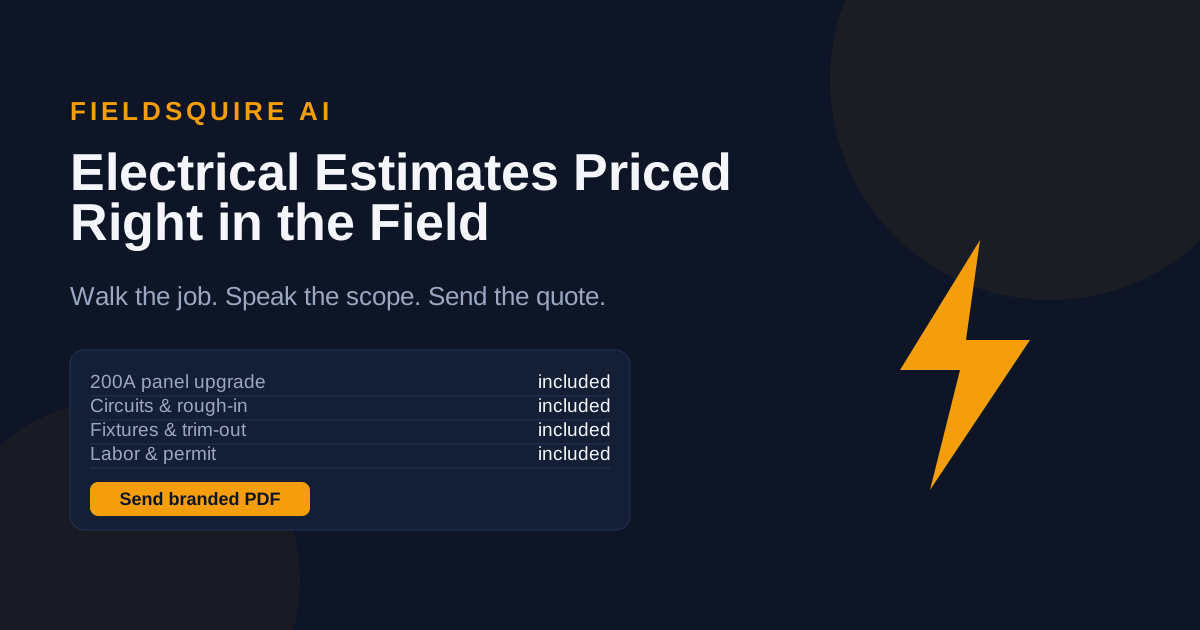
"Looks good, let's do it" is not a booked job — it is a maybe with good manners. An electrical proposal app closes that gap by putting a signature line and a deposit button on the quote itself. Electricians lose real money in the space between verbal yes and confirmed work: material ordered for jobs that evaporate, calendar slots held for customers who kept shopping, scope disputes on jobs that started with a handshake. The fix is structural, not motivational.
The estimate got read. Then what?
Walk through what happens after you send a typical quote for a service upgrade. The homeowner opens the PDF, likes the number, and replies "looks good." Now the friction starts: you need a signed agreement, they need to find a printer or you need another site visit, and the deposit involves a check you collect the morning you start. Every step is a chance for a competitor's proposal — one they could accept from their couch — to jump the line. An electrical proposal app removes the steps: the document they read is the document they sign is the screen where they pay.
What belongs in an electrical proposal
A proposal that earns a signature does four things. It itemizes the scope — panel, breakers, circuits, rough-in and trim-out labor, permit — so the customer knows what yes means. It states exclusions, because "drywall patch not included" is cheaper in writing now than in an argument later. It looks like it came from a real company: branding, clean layout, consistent language. A proposal app assembles all four automatically, so the version a homeowner opens on a Tuesday night looks as sharp as the one you send from the driveway. And it hides your math — the customer sees clean line pricing while your markup and margin stay invisible. That itemization discipline is covered in depth in the post on the electrical quote app with line items.
E-signature plus deposit: the commitment stack
In FieldSquire, the branded PDF proposal goes out with e-signature built in. The customer signs on their phone, and the deposit request follows immediately — one motion, no printer, no second visit. That sequencing matters. A signature without money is still a soft yes; a deposit converts intent into commitment and funds the load center and wire you are about to buy. For shopped jobs like 200-amp service upgrades, same-day sign-and-deposit is often the difference between winning and placing second, which is exactly the scenario in the electrical panel upgrade quote app guide.
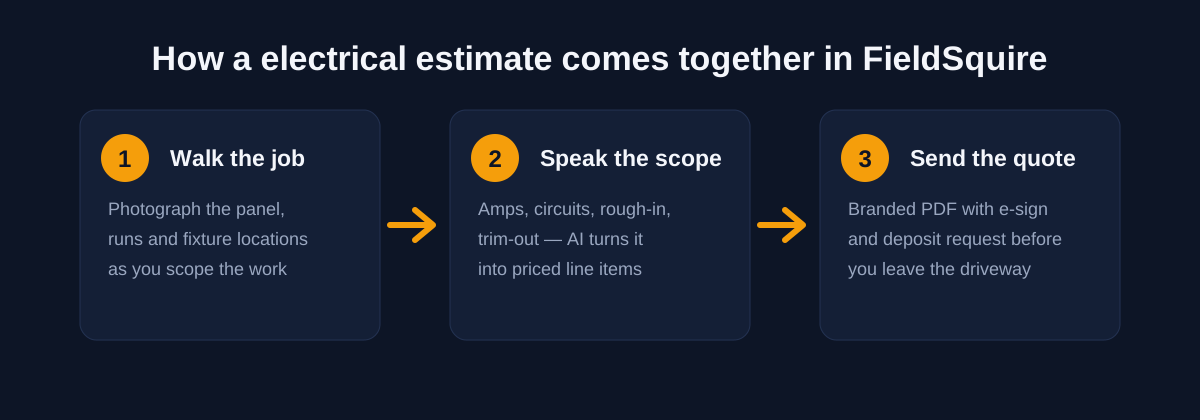
From walkthrough to signed proposal in one visit
The proposal is the last step of a chain FieldSquire runs end to end on your phone. Photos and voice notes from the walkthrough become AI-drafted line items. Your price list and hidden margins do the pricing. You review, then send the proposal while the visit is still warm — homeowners sign fastest when you are still the electrician they just met, not a name in a folder. If they hold off, lead tracking and follow-up reminders keep the proposal alive instead of buried. The whole flow lives on the FieldSquire electrical estimating app page.
What this costs against what it recovers
One rescued job pays for a year of software. FieldSquire's plans run $19/mo (Starter, 25 estimates), $59/mo (Pro, unlimited with full AI), and $99/mo (Crew, up to five users) — every tier includes branded proposals, e-signatures, deposit collection, and a 14-day free trial.
Proposal and signing questions electricians ask
Are e-signatures on electrical proposals actually binding?
Electronic signatures are widely recognized for routine service contracts, and for most residential work a signed proposal with clear scope and exclusions is the working agreement. For unusual or large projects, check local requirements or ask your attorney.
How much deposit should an electrician collect before starting?
Common practice is enough to cover materials — a load center, breakers, wire, and fixtures are real money out of pocket. Whatever percentage you choose, collecting it at signing is the point; FieldSquire lets the customer pay right after they e-sign.
What makes a proposal different from an estimate?
An estimate says what the work costs; a proposal asks for the job. It carries branding, itemized scope, exclusions, and a way to accept on the spot. Same numbers, different job.
Stop mistaking politeness for commitment. Send your next quote from the proposal-ready estimating app for electricians — free for 14 days — and watch "looks good" turn into a signature and a deposit.